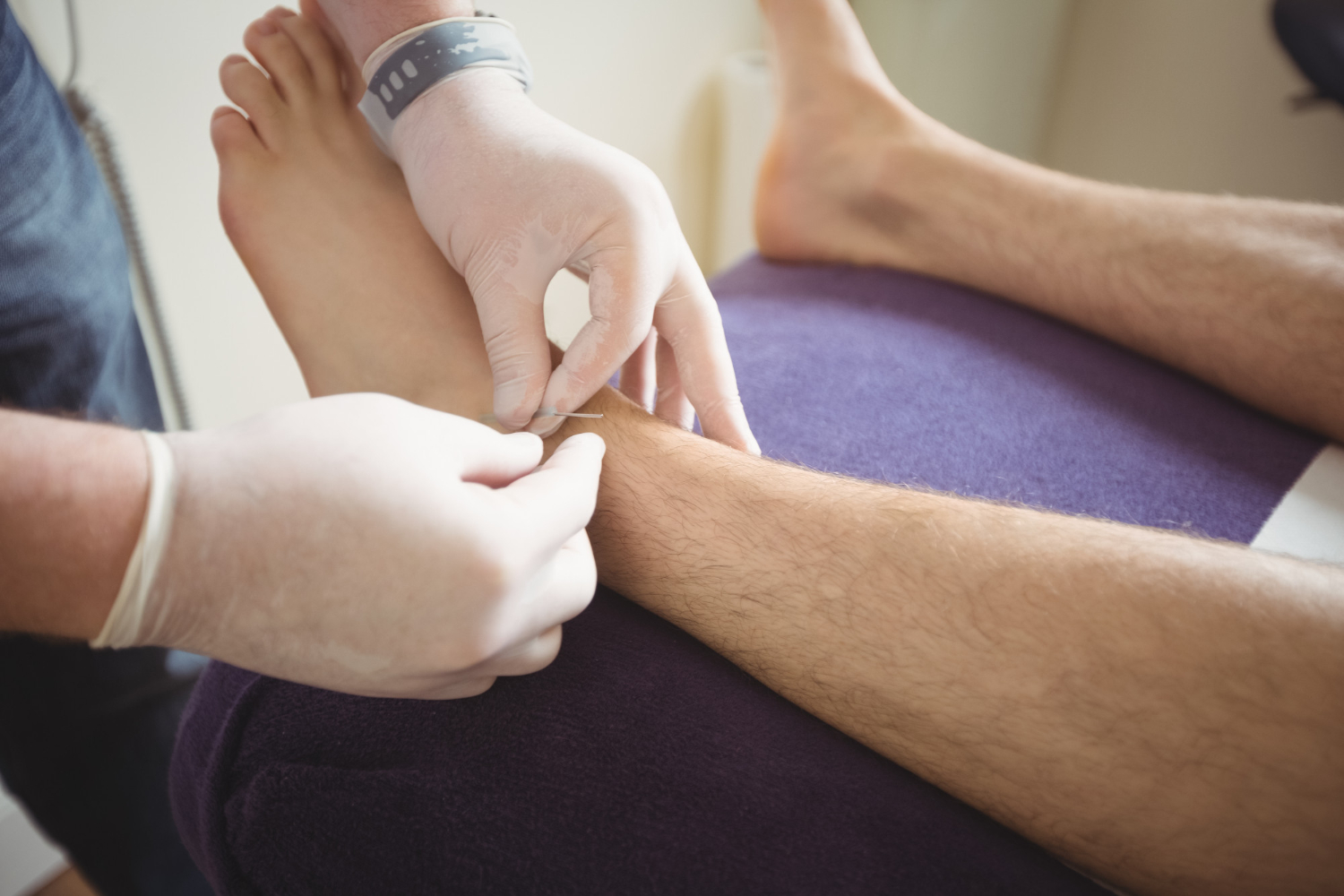

More Than Just Heel Pain
Hi, Archie the Foot here.
If you have ever stepped out of bed in the morning and felt a sharp jab in your heel, you are not alone. Plantar fasciitis is one of the most common causes of heel pain, and it affects millions of people every year.
The problem is that a lot of people think it is just “heel pain” and nothing more. That is where things go wrong. If you do not understand what is really happening, you can waste a lot of time trying the wrong treatments.
Let’s break it down.
What Is the Plantar Fascia?
The plantar fascia is a strong band of tissue that runs along the bottom of your foot. It connects your heel bone to your toes and helps support your arch.
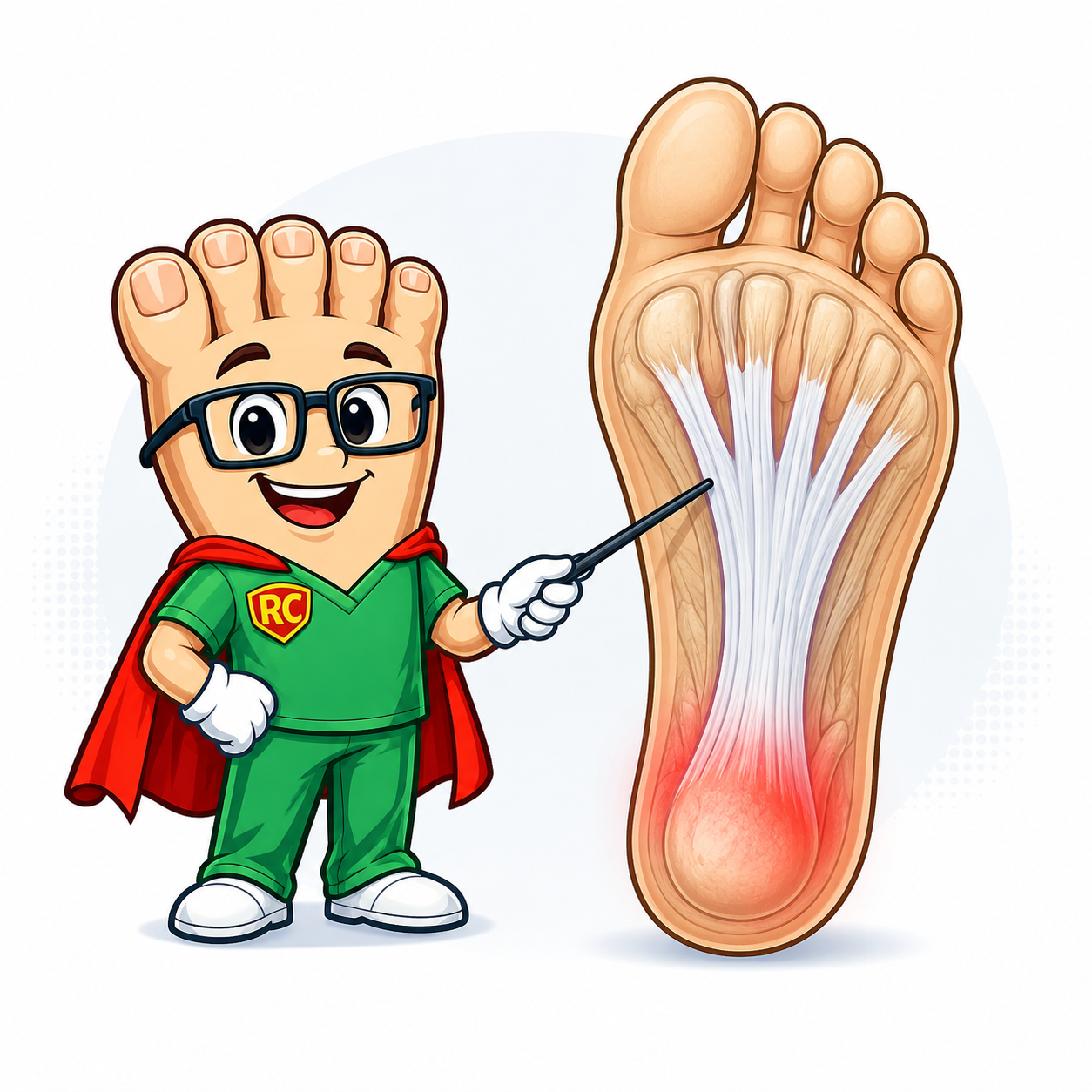
Think of it like a built-in support strap for your foot. Every time you stand, walk, or run, this tissue helps absorb stress and stabilize your movement.
When it gets overloaded, irritated, or damaged, heel pain often follows.
What Is Actually Happening?
Despite the name, plantar fasciitis is not always just a simple inflammatory problem.
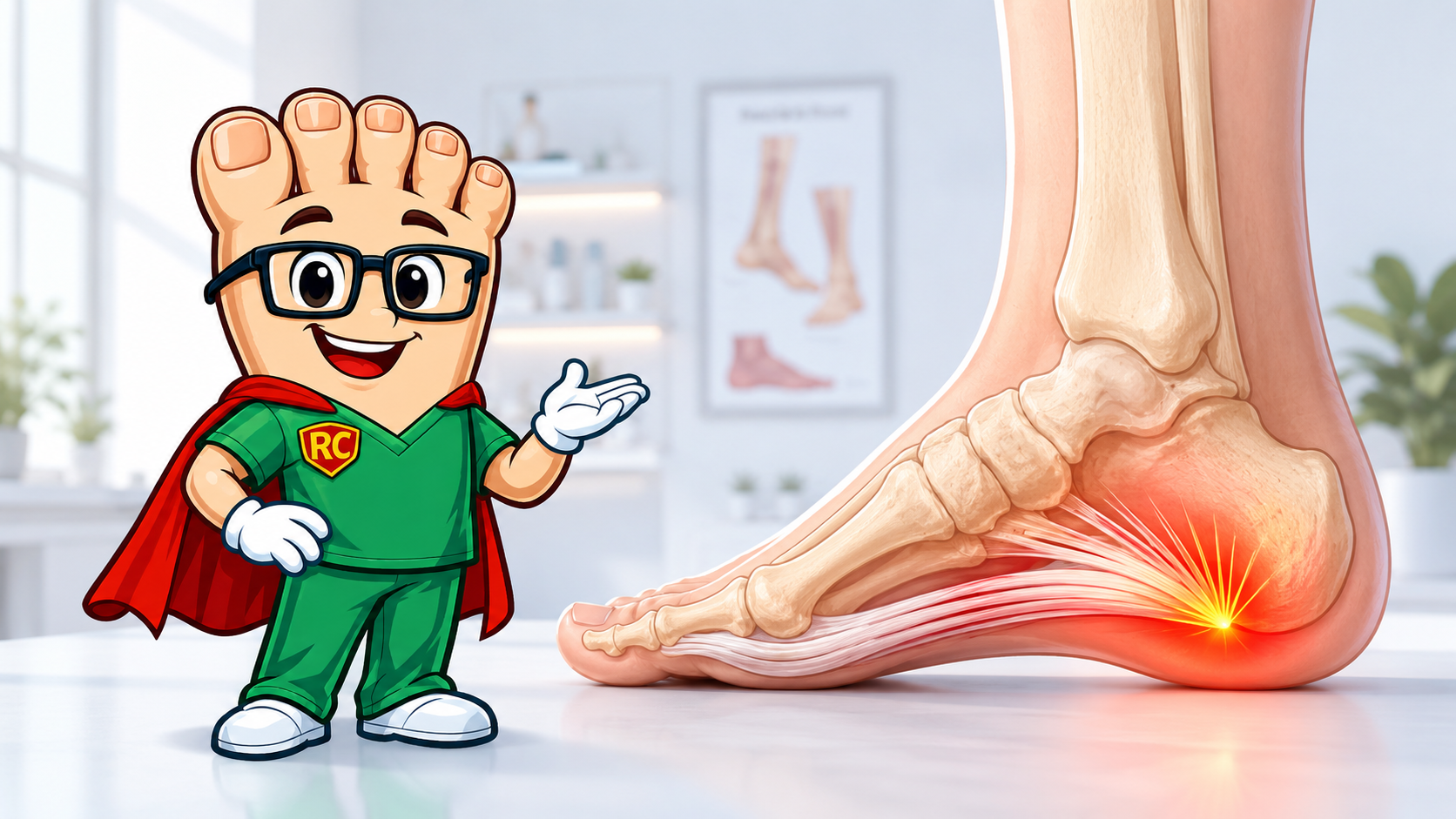
In many cases, especially when the pain has been there for a while, the tissue is not just inflamed. It may actually be degenerating. That means the plantar fascia can become weakened, irritated, and less healthy over time.
This chronic process is often closer to plantar fasciosis, which may involve:
- Collagen breakdown
- Thickened or unhealthy tissue
- Small blood vessel changes
- Ongoing stress that never fully heals
That matters because treatment should not just be about masking pain. It should be about helping the tissue recover and improving how the foot functions.
Why Does Plantar Fasciitis Happen?
Usually, it is not just one thing. It is often a combination of foot mechanics, daily habits, and overall health.
Common risk factors include:
Biomechanical factors
- Flat feet
- High arches
- Tight calf muscles or Achilles tendon
- Poor foot mechanics during walking
Lifestyle factors
- Prolonged standing
- Sudden increase in exercise or activity
- Unsupportive shoes
- Repetitive stress from walking or running
Systemic factors
- Obesity
- Diabetes
- Inflammatory conditions
- Age-related tissue changes
In plain English, if your foot is under too much strain for too long, the plantar fascia starts to complain.
What Does It Feel Like?
Most people describe plantar fasciitis as:
- Sharp heel pain with the first few steps in the morning
- Pain after sitting for a while
- Soreness after long periods of standing or walking
- Tightness in the arch or heel
- Pain that improves a little, then returns later
That “first-step pain” is one of the biggest clues.
How We Approach Treatment
At River City Foot and Regenerative Medicine, we do not believe in one-size-fits-all care. Plantar fasciitis can be mild, moderate, or stubbornly chronic, so the treatment should match the stage and severity of the problem.
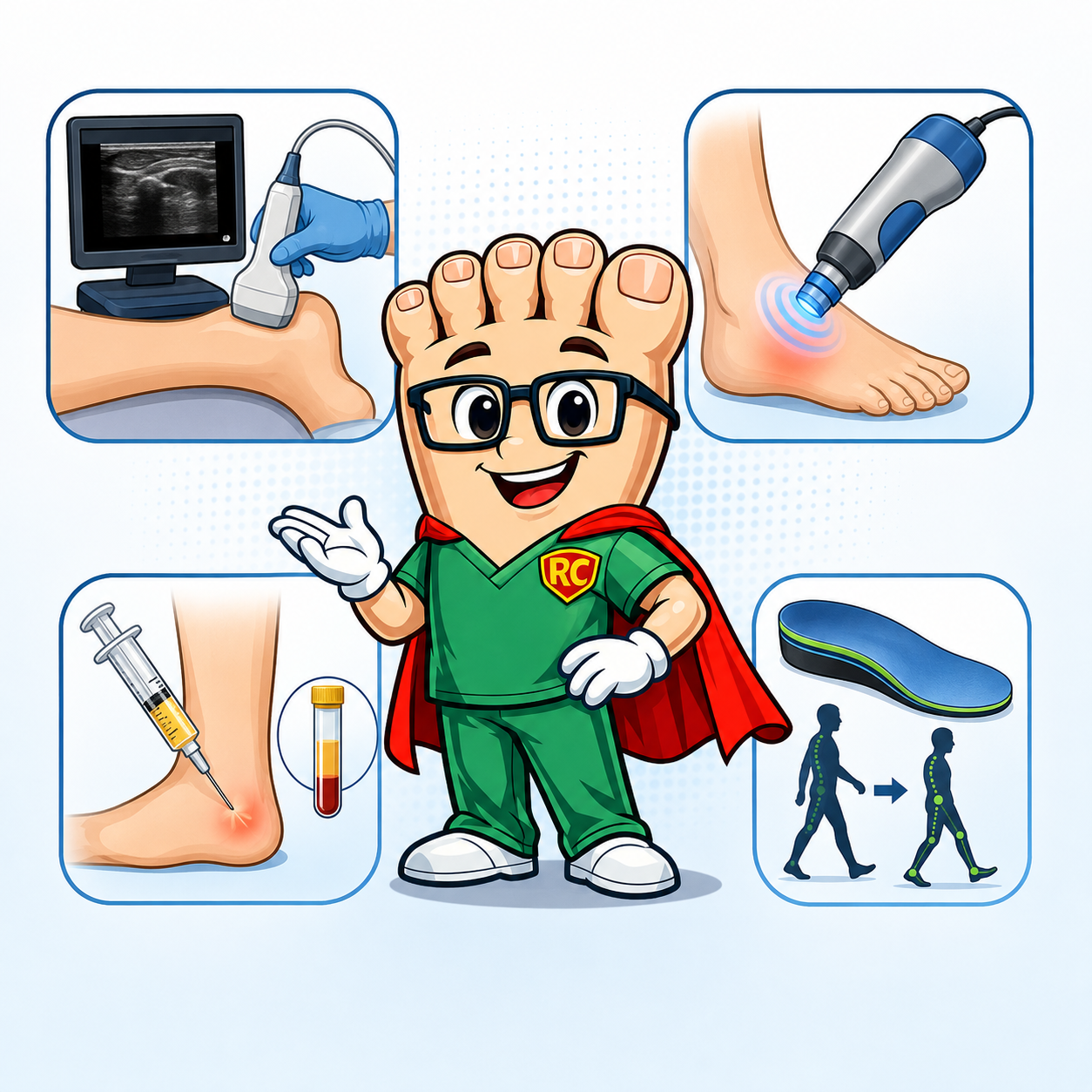
Our approach may include:
Precise diagnosis
We start by figuring out exactly what is going on. That may include an exam and, when appropriate, ultrasound imaging to evaluate the quality of the tissue.
Load management
Rest matters, but total shutdown is not always the answer. We help reduce strain on the fascia while keeping you moving in a smart way.
Targeted therapy
Depending on the condition of the tissue and how long symptoms have been present, treatment may include:
- Shockwave therapy
- PRP injections
- Regenerative injection options
- Other supportive therapies based on your presentation
Mechanical support and prevention
Long-term success usually requires addressing the cause, not just the pain. That may include:
- Custom orthotics
- Stretching strategies
- Gait optimization
- Shoe recommendations
Why Early Treatment Matters
Here is the truth: plantar fasciitis is easier to treat early than after it has lingered for months.
The longer the tissue stays overloaded and unhealthy, the harder it can be to calm it down and restore function. That is why getting evaluated early can save you time, frustration, and unnecessary suffering.
Archie’s Bottom Line
Heel pain is common, but it should not be ignored.
Plantar fasciitis is more than a sore heel. It is often a sign that the tissue on the bottom of your foot is under stress and not recovering the way it should. The key is making the right diagnosis and matching the treatment to what your foot actually needs.
If your heel has been barking at you every morning, it may be time to stop guessing and start treating the real problem.
Your feet carry you through life. Let’s take better care of them.